Wednesday, 12 June 2013

History

Japanese Fashion : A History

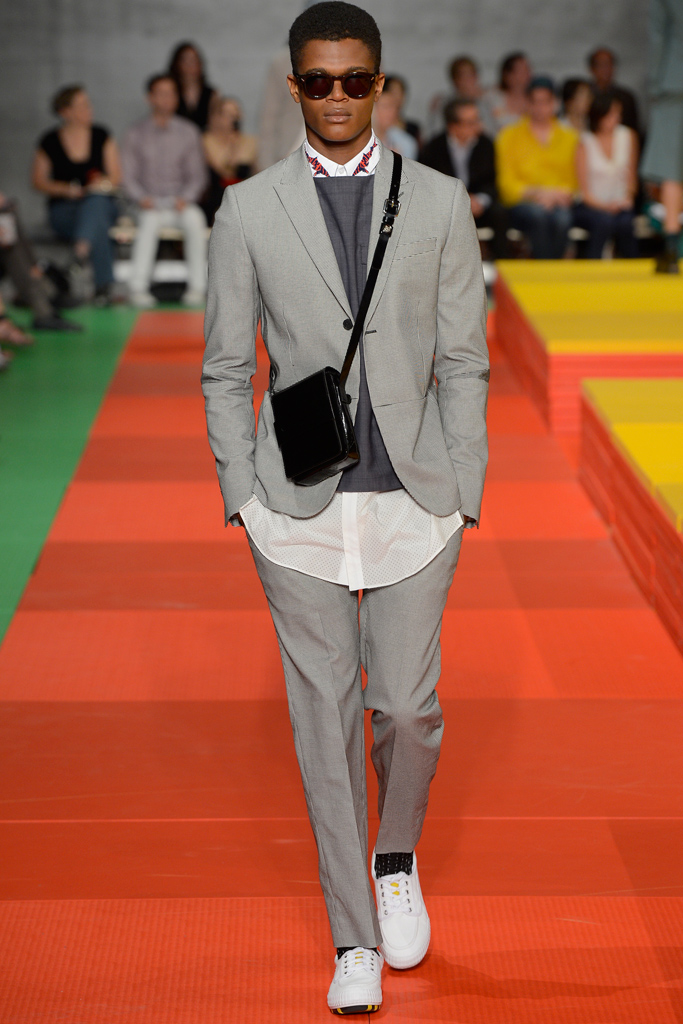
     It was no surprise this season when Prada sent models out on the runway in garments folded like origami and shoes resembling Harijuku towering platforms and Japanese judo socks made of leather and bows. European and American designers have always drawn inspiration from the East. Think Dior haute couture Spring 2007, Proenza Schouler Fall 2012, or evenRodarte’s Mullevay sisters drawing a large amount of their inspiration from manga and anime horror films. Eastern inspiration can be found almost anywhere and everywhere right now but do we really know what the history behind it is?

     Many are familiar with what a traditional kimono looks like but what they may not know is that it dates as far back as the 5th century. The design of the kimono was heavily influenced by the Han Chinese Clothing today known as hanfu. From the 8th century and forward the design of the kimono became increasingly stylized with half aprons layered on top of them, worn without trousers or divided skirts and tied together with an obi belt that over the years became wider and tied in very intricate knots. Also the length of the sleeves on kimonos became much longer depending on whether a woman was married or not. By the Edo period (1603-1867) the kimono reached its peak in design and has more or less remained unchanged since. Most kimonos were made of the finest silks and materials and considered great works of art.


      When men and women weren’t wearing their specialty kimono’s they dressed down into casual summer kimono’s called yukata’s. Made from cotton or synthetic fabric and unlined these garments were sewn with straight seams and wide sleeves, much like the kimono. Men would generally have shorter sleeves than women. The yukata would be worn with a cotton undergarment (juban), an obi belt, sandals (geta), and a carrying bag (kinchaku). Younger people who wore yukata’s would have them in bright, vivid colors and bold patterns while older people would wear dark, muted colors and dull patterns. Since the 1990’s yukata’s have made a comeback in fashion and are a common sight in Japan. Although these traditional garments can still be found widespread in China and Japan they hardly represent the current fashions seen in these areas today.


TRADITIONAL KIMONO & YUKATA GALLERY

Harajuku Yukata    The Yukata    Kimono

Harajuku Street Fashion    Kimono Coat in Harajuku    Kimono -Yukata

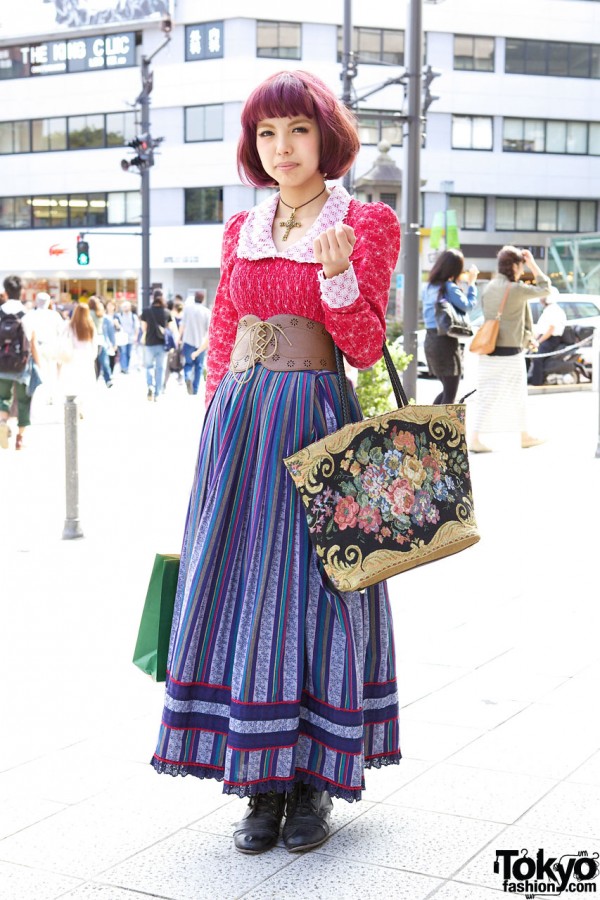
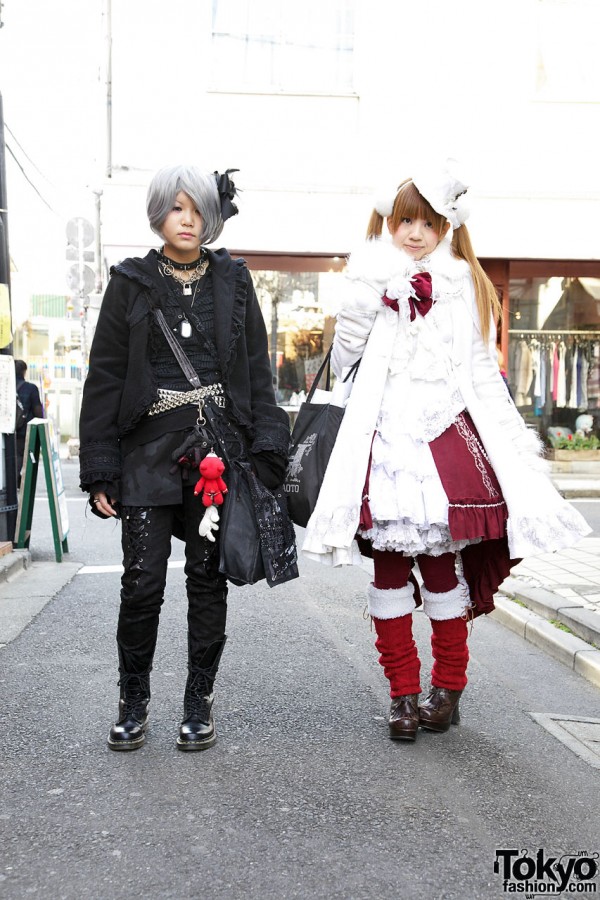
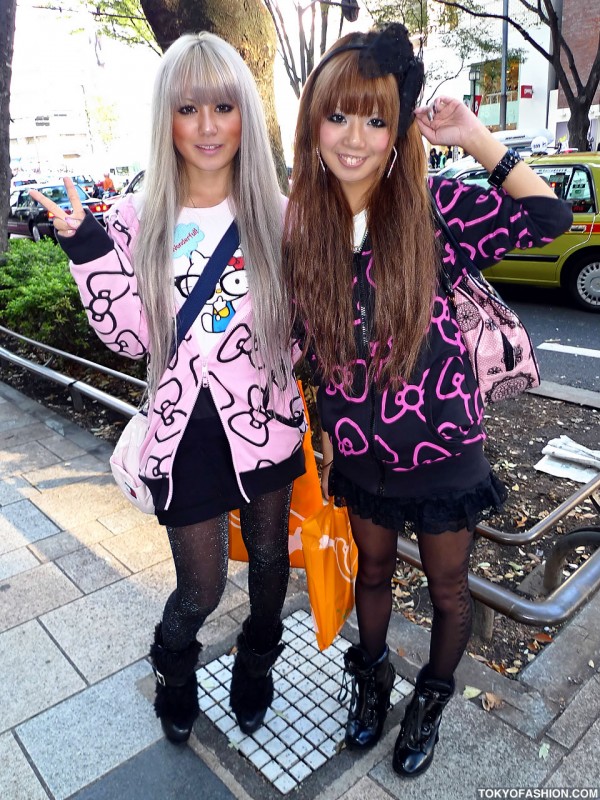
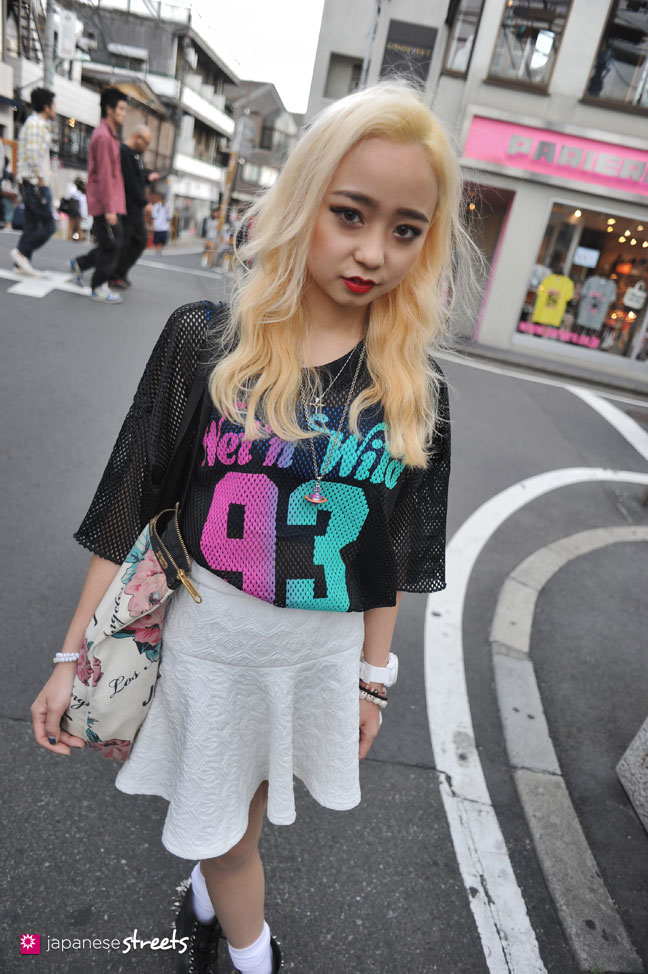
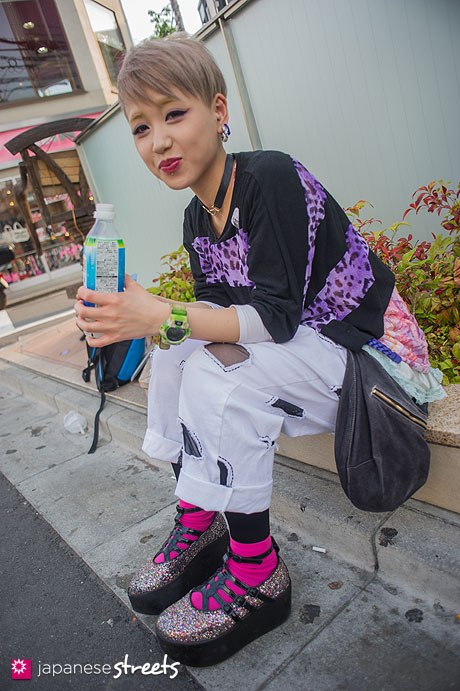
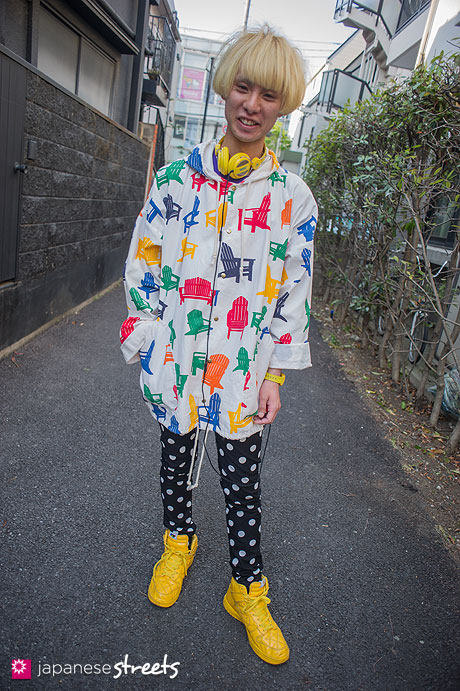
     It was only a matter of time for Tokyo, Japan to be named one of the top 5 fashion capitals of the world. Shibuya, one of the 23 special wards of Tokyo, is home to Tokyo’s most famous shopping district and busiest railway stations. For the last 30 years Shibuya has been a haven for youth culture and contemporary fashion, which extends northward to Harajuku, another train station and fashion capital within the Shibuya ward of Tokyo. In Harajuku you can find a plethora of young people in unique street fashion that is seen in no other place in the world and is promoted in several publications such as Kera, Tune, Gothic & Lolita Bible, andFruits.
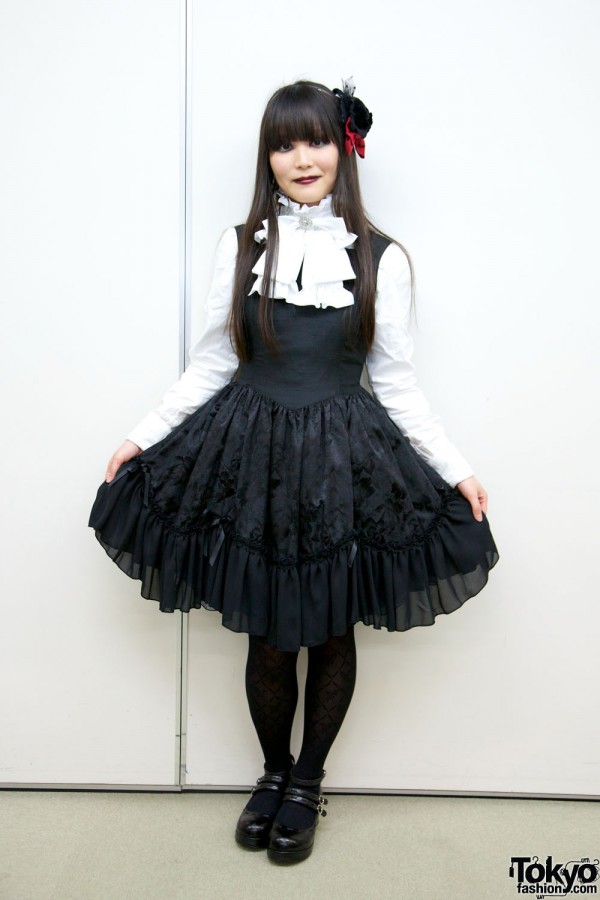
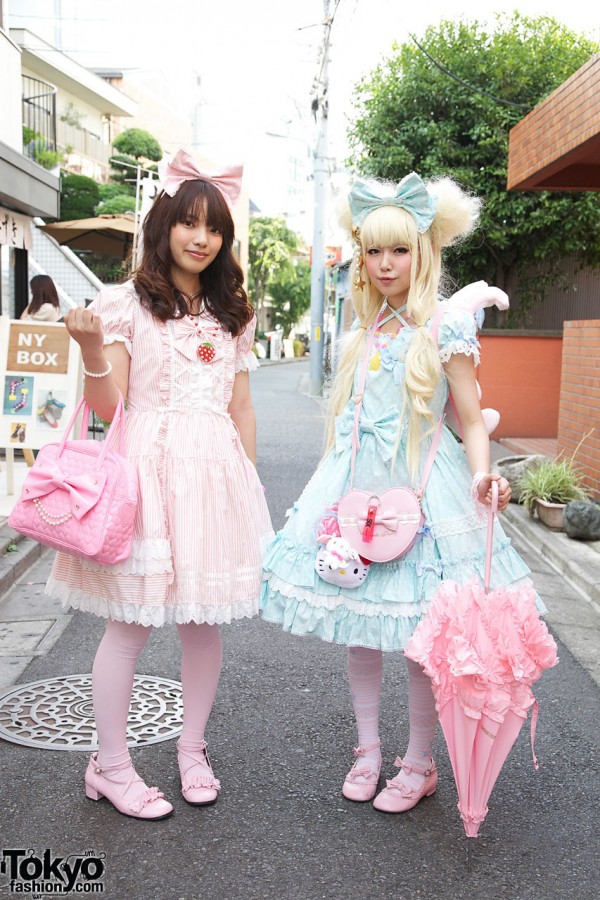
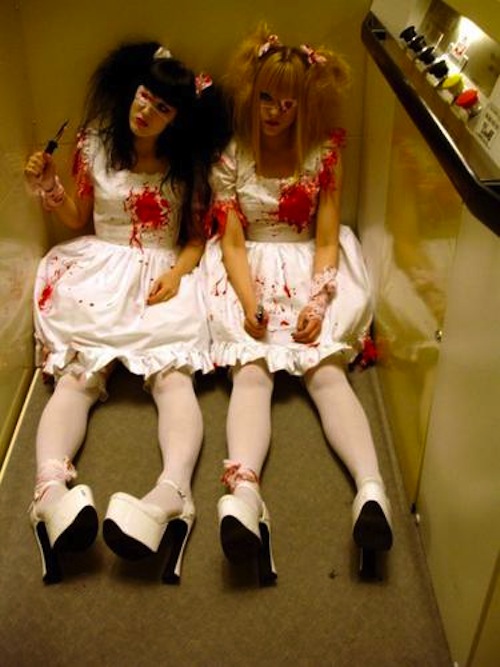
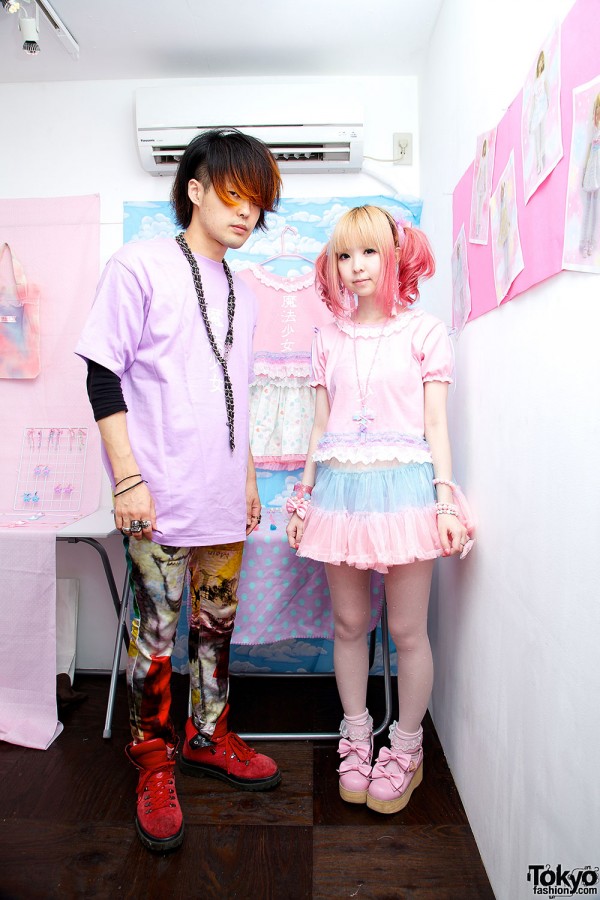
   Several of the styles seen in Harajuku dawned by “Harajuku girls” include gothic, punk, ganguro, Lolita, kawaii, visual kei, and cosplay. Within the Lolita trend there are many sub-trends to it, including Sweet Lolita where girls are often seen wearing soft pastel colors, bow’s in their hair, white stockings, and anything frilly with cupcake prints or polka dots on it. Gothic Lolita is composed of only black and white as the color choices. There is a much more solemn and gloomy mood to this style although you will still find lots of bows on dresses and in girls’ hair.Guro Lolita is inspired by slasher and horror films with girls wearing bleach white dresses with blood splatters all over. There is a variety of this style that includes playing the victim or a hospital nurse with an eye patch and mouth covering. Often the blood splatter will also be on the face and hair of the wearers of this style. Then there is Country Lolita that is inspired by the American Western frontier. Girls wear dresses made of cotton and modest floral or checkered prints paired with white bonnets and wicker baskets as purses. Finally there isKuro and Shiro Lolita. Girls wear all black with corset ribbons on the front of their dresses, black lace and platform heels; or they take a completely opposite route and wear all white with a variety of white hats and bows in their hair and knee high stockings.


HARAJUKU STREET FASHION GALLERY
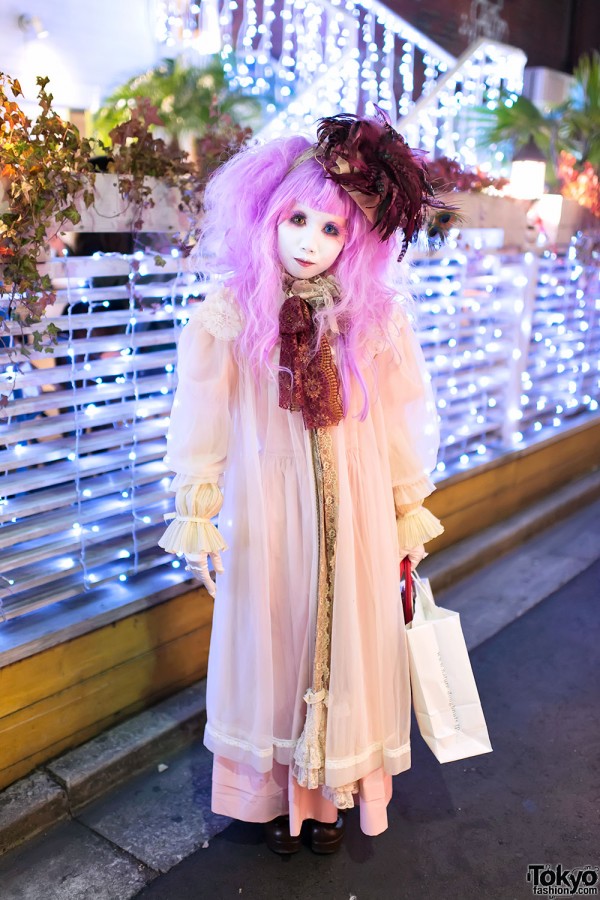
      Kawaii fashion is a branch of the kawaii culture in Japan. Literally meaning “lovable” “cute” or “adorable” kawaii refers to a quality of cuteness in Japanese culture. Over the years kawaii has taken on new meanings such as cool, desirable, charming, or non-threatening. Within Japan women often try to act cute to attract men, and a cosmetic company quickly found that women in their 20’s and 30’s favored the “cute look” with a childish round face. Kawaiistarted as an underground movement with teenagers involving a way of speaking, writing, and dressing. Since its emergence in the 1980’s it has sparked the founding of Hello Kitty andPokemon and has begun influencing day-to-day mannerisms that emphasize helplessness and the innocence of young girls. Kawaii is one of the most popular sub-cultures in Asia and has now become a world-wide industry.
      Several of the other sub-cultures seen in Harajuku include Cosplay, also known as costume play or role playing. Boys and girls wear costumes and accessories to represent a specific character or idea. Cosplayers often interact with each other in an effort to create a subculture based on role playing apart from the stage or cultural context. Visual kei is another movement seen among Japanese musicians. It is characterized by heavy make-up, elaborate hairstyles, and flamboyant costumes. It is related to a sub-genre of Japanese rock music that is similar to glam rock, punk rock, or heavy metal.
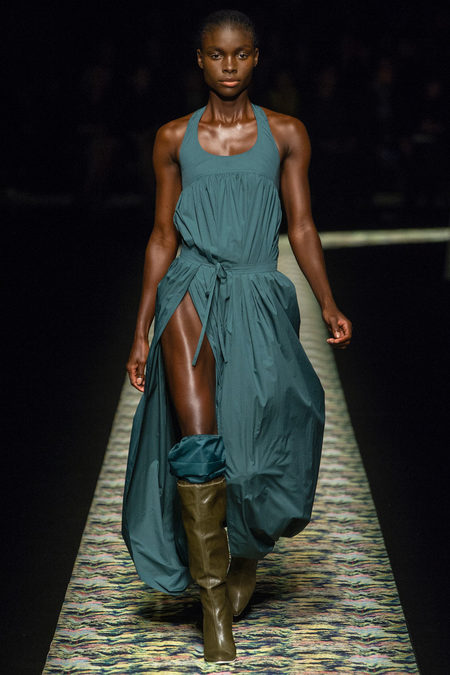
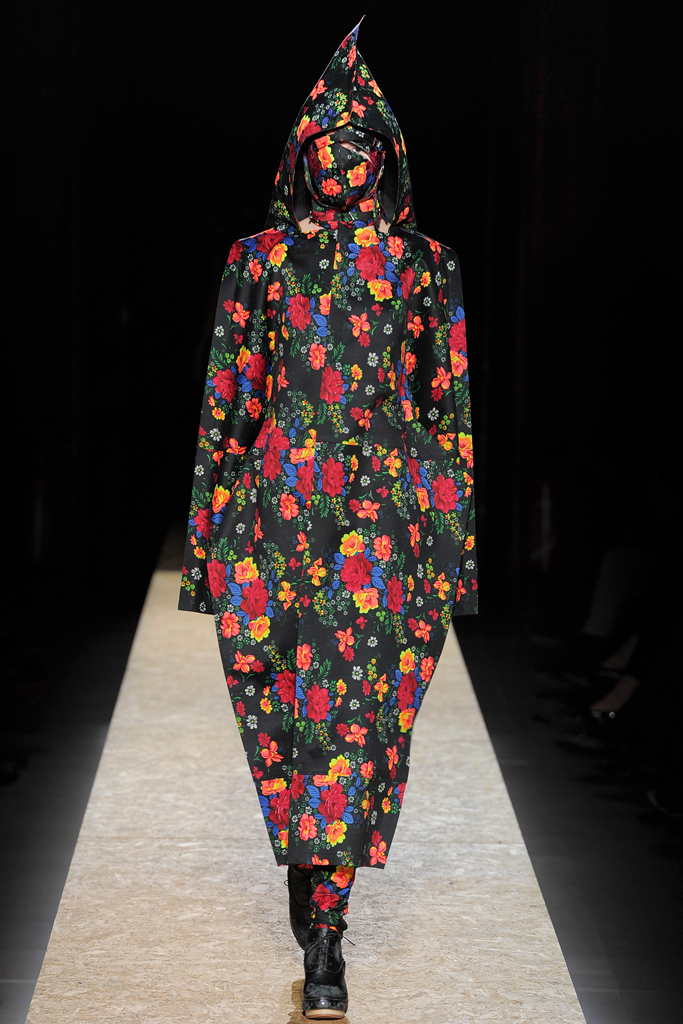
      With all of these flamboyant trends roaming the streets of Tokyo it’s no surprise that some of the most successful and innovating designers come from this area. Companies such as A Bathing Ape and Billionaire Boy’s Club have gained much commercial success across the globe, particularly among the rap and R&B music culture. Within the high fashion world designers such as Kenzo, Issey Miyake, Yohji Yamamoto, and Rei Kawakubo for Comme des Garcons have changed the way the world see’s fashion today.
JAPANESE FASHION RUNAWAY GALLERY

Designers


Fairy Kei Fashon from Strawberry Planet


Fairy Kei Fashion From the Streets of Harajuku – Strawberry Planet & Mello Brand Profiles


     Harajuku is known worldwide for its eclectic street fashion scene. There are hundreds of fashion genres, subgenres, & subcultures that have bloomed on these famous streets.
     One of the Harajuku styles that has reached “iconic’ status is fairy kei. Fairy kei fashion features rainbows of pastel colors, bright bows, and supercute accessories. Japanese fashion brands popular with fairy kei girls include 6%DOKIDOKI, Nile Perch, Spank!, and ManiaQ. In addition to the established brands, young Japanese designers also contribute their creativity to the Harajuku fairy kei scene. Two of these up-and-coming designers are Moco & Tomo, founders of the indie fairy kei fashion brands Strawberry Planet and Mello.
Fairy Kei Fashion Brand Strawberry Planet (35)      Moco and Tomo are both students at Bunka Fashion College, Tokyo’s most prestigious fashion school. Moco is also a well-known blogger and personality in the Harajuku fashion scene. She has been featured in the pages of FRUiTS, Kera, and other magazines, as well as on countless Japanese street snap websites. Earlier this year, the duo launched their indie fairy kei fashion brands – Strawberry Planet and Mello. Mello is a fairy kei clothing line, while Strawberry Planet features cute colorful accessories to compliment the fashion coordinates.
        Currently, the collections are available via a monthly popup shop in Harajuku, as well as online. We visited a recent Strawberry Planet & Mello popup shop in Harajuku and sat down with Moco and Tomo for a short interview. Please have a look at our (English-subtitled) video to hear the designers talk about their fashion brands, the streets of Harajuku, and their future plans.


AvantGarde Harajuku Director w/ World’s Tallest Mohawk


Worlds Tallest Mohawk in Harajuku
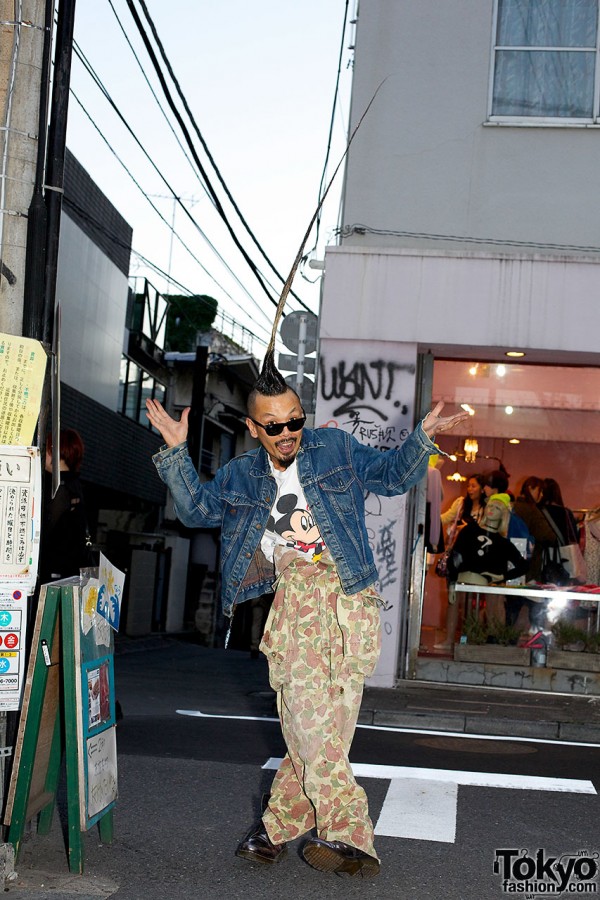
     Japanese legwear shop AvantGarde Harajuku is one of the hottest shops in Harajuku right now. Several popular street fashion icons work at the shop (including Juria) and celebs from Japan and around Asia wear AvantGarde tights. The meteoric rise of the brand has been impressive, but the founder of AvantGarde has something else to be proud of as well – his Guinness Book of World Records-certified “World’s Tallest Mohawk”!
Kazuhiro From AvantGarde Harajuku


     This weekend, we spotted Kazuhiro-san on the streets of Harajuku with his super-tall hairstyle in all its glory. We weren’t the only ones who saw him, either. Kazuhiro-san is quite a personality, and he was having fun posing with crowds of amazed onlookers near the AvantGarde boutique.


Tuesday, 11 June 2013

Hairstyles


NEW TREND IN HAIRSTYLES


    We have seen a sharp rise in girls with extremely pretty hairstyles achieved through simple arrangements that work for both long, medium-length and short hair. The style this year is to add an accessory with a retro flair to your hair arrangement.


photo

Hair Arrangements Become Standard

photoThe common assumption was that elaborate hairstyles such as curled hair and braids were just for special occasions such as weddings and parties. However, curling irons for personal use can be bought inexpensively, and a wide range of hair accessories that are easy to use are now sold, making it possible for more girls to play with simple arrangements that are not too overdone. Naturally, Japanese women, who enjoy a wide range of fashions, have become interested in this ability to easily create hairstyles with only a little skill, a curling iron and accessories, and with no need to depend on a professional hair stylist.
In addition, the popularity of retro styles from the 1960s bolsters the moods of girls. Antique hair ornaments and a chic hairstyle are an essential accompaniment for clothes with a classic style.


Curl, Braid, Pile Up
photo
photoThe three techniques of curling, braiding and piling up are used for simple arrangements created oneself. Girls curl their hair by using a curling iron to put a wave at the tip of their hair and create a soft movement, as if it were full of air. Braids are made by twisting together three strands of hair using the bangs or hair to the side of the ears. Braiding tightly makes the hair look too severe, so the current style is to braid loosely for a soft look. Girls pile up their hair by teasing the hair from the top of their heads or their bangs and then adding volume so that it pushes up. This technique is also intended to give a soft look.


photo
Accessories with an Antique Feel Gain Popularity
photoOnce you have used one of these three techniques to style your hair, then you have to choose which accessory to use. Barrettes were the most popular accessory of the 2011–2012 fall and winter season. Simply pinning antique elliptical barrettes decorated with spangles and beads next to the ear provides a retro look, and it has become hugely popular. Elegant barrettes, hair elastics and Alice bands embellished with pearls, rhinestones and lace are much in evidence these days.
Ribbons are also a very popular motif, and various items are available to keep up with demand, ranging from hairpins that can be fastened simply to cloth bands. Some girls with more experience in hair styling buy velour and satin ribbons used in handicrafts and fasten their ponytails with their own creations or use them like Alice bands. The stores specializing in hair accessories that have been popping up recently stock a wide range of inexpensive and pretty accessories so that girls will never become bored.


Fashions and Subcultures


10 Unusual Japanese Fashions and Subcultures

     Japanese fashion usually brings to mind kimono, yukata, or the sailor school uniforms. And for many people around the world who are interested in fashion, the lesser known styles and subcultures of Japan are becoming more widely recognized. The fashions on this list were worn at different times in Japan during the twentieth century and today. With some groups of Japanese teenagers these styles were extremely popular. They were viewed as creative and influential to fashion by some, and looked on with confusion and amusement by others.


  • Kigurumin
Kigurumi2-1.Jpg

Kigurumin was a short lived (2003 to 2004) and strange fashion phenomenon. Girls who spent their time hanging out in Shibuya and wanted something comfortable to wear began sporting cheap animal costumes bought in party sections of stores. Along with a Pikachu, Hamtaro, or Winnie the Pooh costume, Kigurumin would carry animal purses, cute accessories, and wear manba makeup.


  • Nagomu Gal

Nagomu Gal.Jpg
Nagomu was an indie record label created in 1983. The label gained a large fan base. The name for fans, Nagomu Gals, first appeared in the magazine Takarajima. Nagomu Gals favored vintage clothing. They often wore long sleeved t-shirts, thick soled rubber shoes, and knee socks. The term Nagomu Gal was not exactly positive, as they were sometimes viewed as annoying fan girls. In 1989 the Nagomu label was shut down.


  • Lolita
2227529703 Aee6De0D35.JpgLolita is one of the most popular new Japanese subcultures, and has begun to appear in countries across the world. There are numerous Lolita brands, such as Baby the Stars Shine Bright, Metamorphose, and Angelic Pretty. Lolita fashion began becoming popular in the late 90s, and like the Nagomu style, it has been influenced by music. Gothic record labels in Japan lead to visual kei music, which helped inspire Gothic Lolita clothing. Visual kei refers to bands which wear extremely elaborate makeup and costumes. Lolita is also inspired by the clothing of the Rococo period. The name came from Mana who called the theme of his clothing line Elegant Gothic Lolita. The popular magazine Gothic and Lolita Bible came out in 2001. There are several different types of Lolita. Gothic Lolita involves primarily black frilled clothing. Sweet Lolita uses pastels, and lots of lace and bows. For punk Lolita, plaids and chains are combined with the frills. Wa Lolita incorporates traditional Japanese clothing, such as kimono, into the look. Accessories that are popular for Lolita include bonnets and headdresses, rocking horse shoes, parasols, petticoats, and frilled knee socks.


  • Decora
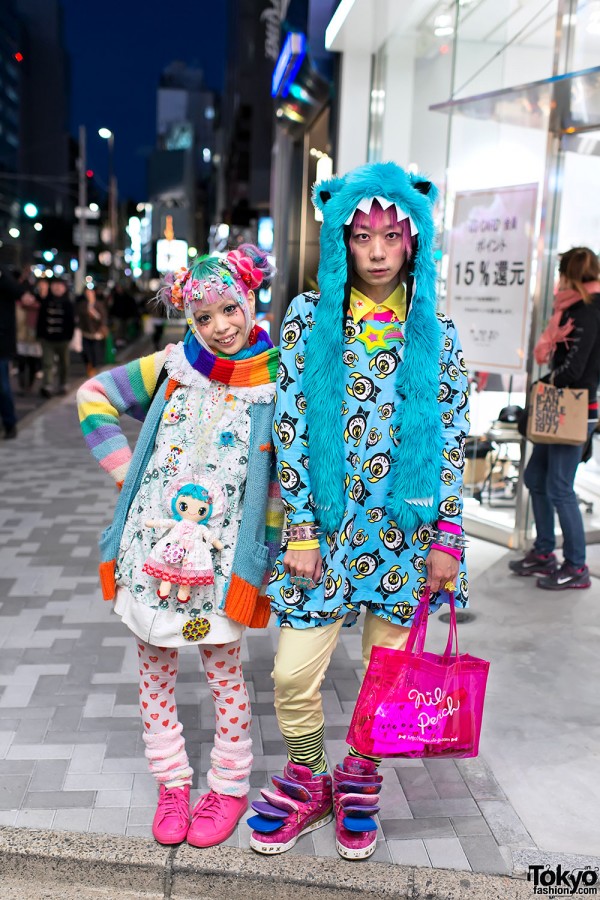
     Decora is a Japanese street style popular today. In 1997, the magazine FRUiTS was created to display photographs of Japanese street fashion. Aki Kobayashi, the cover model of the first issue, wrote columns for FRUiTS about her style and how she created her own accessories. Soon, girls began making their own eccentric accessories. The style became known as Decora, and its followers traded and sold their accessories in Harajuku. Although each Decora outfit is unique, they all have the similarities of being extremely bright, decorative (hence the name), and cute. Decora girls wear an insane amount of plastic accessories and barrettes, neon skirts, colorful socks, and cute character products.
Decoraa1.Jpg


Website


Japanese Street


Japanese Street


130518-0494


Tokyo
Spring 2013,Girls
STUDENT,19
T-Shirt – Rudman
Skirt – Rosebud
Boots – Jeffrey Campbell


130506-9283


MIKAKO Harajuku,tokyo
Spring 2013,girls
Kjeld Duits
AGE: 23
T-Shirt – KAWI JEMALE
Pants – Flea Madonna

Shoes – TOKYOBOPPER


130429-6707


      AYUMI


        Shibuya, Tokyo
        Spring,2013,guys
        Kjeld Duits
        WAITER, 30


        Suit – W Closet
        Bag – Balenciaga
        Shoes – Nike


130506-9240

KATSUMA

Harajuku,Tokyo
Spring 2013,Guys

STUDENT, 24
Coat – MICHIGAN RAG CO.
Head Phones – WESC
Shoes – Nike ZOOM